
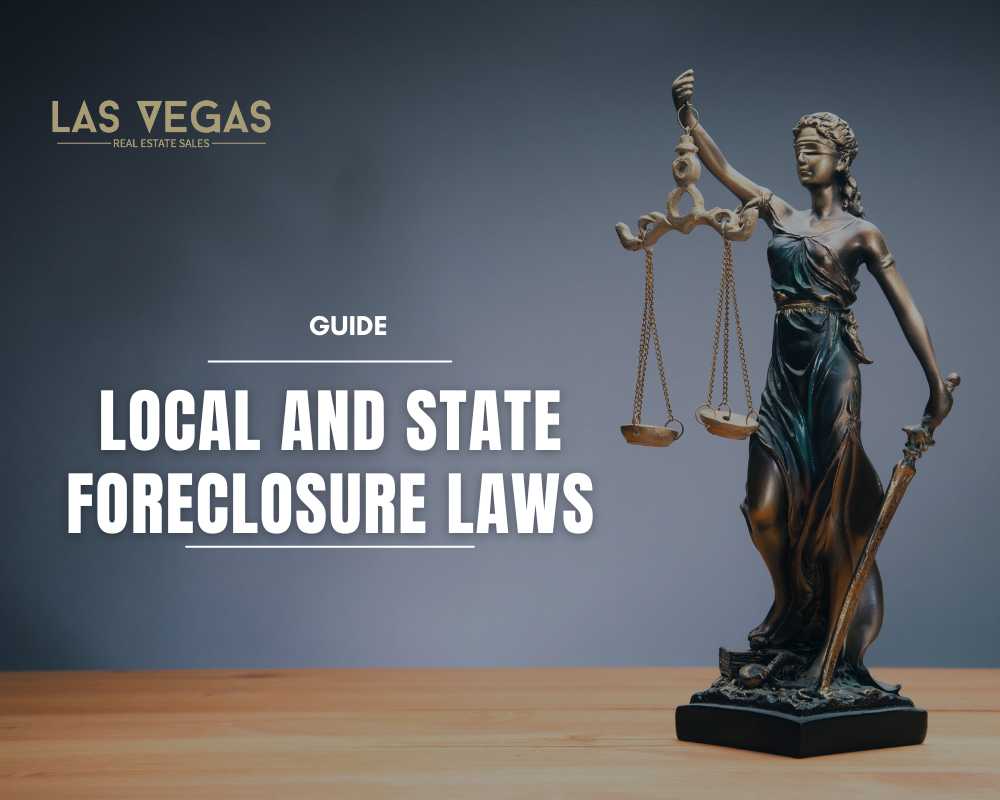
The foreclosure process can be stressful and confusing, especially since foreclosure laws vary by state and even by local jurisdiction. Understanding how foreclosure works in your area is essential, whether you’re a homeowner trying to protect your property or a buyer looking to invest in foreclosed homes. In this guide, we break down key differences in state laws, timelines, and homeowner rights to help you make informed decisions.
Why Foreclosure Laws Vary by State
Laws governing real estate are almost under the jurisdiction of states only implying that a uniform process of foreclosure does not exist in the country. States have different requirements, some of them demand that the lender has to pass through the court system but there are also states, which do not involve court in the foreclosure process. Even the timelines, notice requirements and protections of homeowners vary depending on the location.
Explore Foreclosure Homes in Las Vegas Communities
Judicial Vs Non-Judicial Foreclosure
In the majority of states, there are two principal approaches followed in foreclosure:
Judicial Foreclosure
In those states where judicial foreclosure is mandatory, a lender has to sue to foreclose a house. The court hears the case and gives a homeowner an opportunity to be heard. It usually takes a longer time and there is more protection to the homeowners.
Non-Judicial Foreclosure
In other states, non-judicial foreclosure is allowed, and it does not imply the court attendance. Rather the lender does conform to some steps as indicated in the mortgage or deed of trust. This is usually cheaper and quicker to lenders yet the homeowner has less chance to challenge the foreclosure.
Foreclosure Laws in Nevada
In Nevada, most foreclosures are non-judicial, meaning lenders can proceed without court involvement. However, homeowners are still protected by notice requirements and timelines that must be followed before a property can be sold.
This makes understanding Nevada foreclosure laws especially important for both homeowners and investors looking at foreclosure properties in Las Vegas.
Local Rules and Timelines
Even inside a state, local foreclosure statutes–ordinances in counties or cities can affect such matters as:
- How foreclosure sales are advertised
- Where auctions are held
- Specific redemption times (period that the homeowner is given to buy back his/her home after sale)
Such regulations may affect the speed of a foreclosure process and the possibilities of homeowners.
Homeowner Rights and Protections
Most of the states do have the laws that cover homeowner, and some of these include:
Right to Cure: Providing time to homeowners to rectify on defaulted payments.
Right of Redemption: Ensuring that the homeowners rather have the right to repossess their property when a property sale is made by paying the due amount within a specific time.
Deficiency Judgments Limitations: A few states either restrict or prohibit lenders in trying to recover unpaid loan amounts against homeowners post foreclosure sale.
Such protections can be so substantial that families attempting to recover finances can benefit.
Why Buyers Should Care About Foreclosure Laws
Buying a foreclosed home can be a great investment opportunity, but it comes with risks. Buyers should understand local foreclosure laws, title issues, and redemption periods that may affect ownership. Working with a knowledgeable real estate professional can help you avoid costly mistakes and identify the best foreclosure deals in your area.
If you’re considering investing, explore available foreclosure properties in Las Vegas master planned and gated communites, including options in Summerlin and North Las Vegas.
Frequently Asked Questions About Foreclosure Laws
What is the difference between judicial and non-judicial foreclosure?
Judicial foreclosure involves court proceedings, while non-judicial foreclosure allows lenders to foreclose without court intervention.
How long does the foreclosure process take?
It varies by state but can take anywhere from a few months to over a year depending on legal requirements.
Can homeowners stop foreclosure?
Yes, options include loan modification, repayment plans, or exercising the right to cure.
Final Thoughts
Foreclosure laws play a critical role in protecting homeowners and guiding buyers through the process. Because rules vary by state and local jurisdictions, staying informed is essential. Whether you’re trying to avoid foreclosure or invest in distressed properties, understanding the legal landscape can help you make smarter real estate decisions.
Richard Slezak, Las Vegas Realtor®

Agent License: S.0201790
Call: (702) 688-3508
MAIL: richardslezak@gmail.com
Address: 2298 W Horizon Ridge Pkwy #114, Henderson, NV 89052, USA


Join The Discussion